
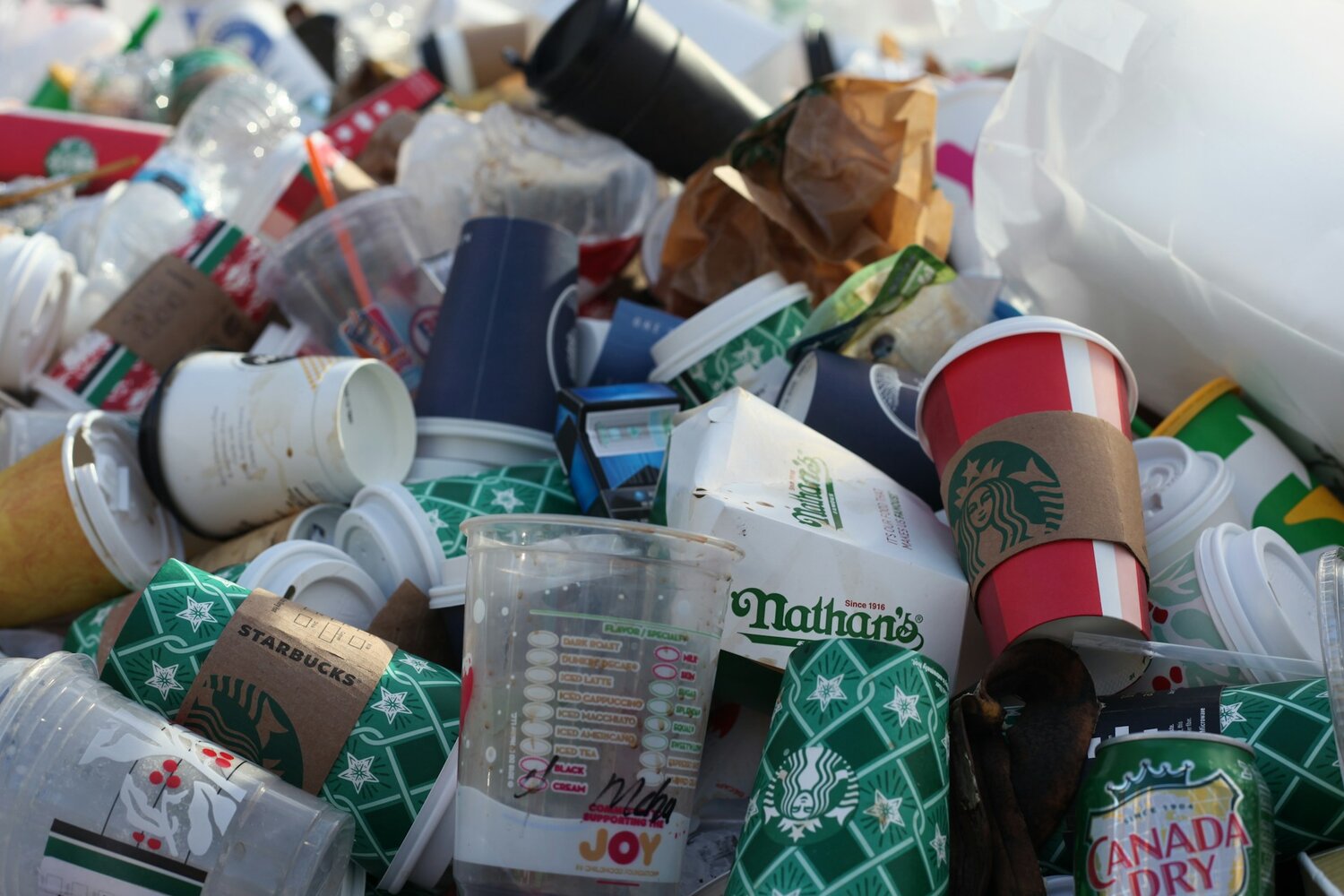
A California state senator has warned against attempts to slow down or derail the implementation of the US state’s Extended Producer Responsibility (EPR) law, claiming that the regulation is “crucial” to California’s efforts to reduce plastics waste.
Senator Catherine Blakespear, who represents Senate District 38 (northern San Diego and southern Orange County), issued the notice after a tide of opposition to California’s packaging EPR and source reduction law, known as Senate Bill 54 (SB 54).
The legislation, which was approved by the US State of Administrative Law and filed with the secretary of state on 1 May, aims to reduce packaging waste and increase recycling rates for materials, including single-use plastics.
Last week, 23 Assembly members and one state senator, Melissa Hurtado, signed a letter calling for fees under SB 54 to be delayed for two years.
The letter, addressed to Senate president pro Tempore Monique Limón and Assembly speaker Robert Rivas, has called for the pausing of fee assessment and collection this year and next and demanded that lawmakers commit to a ‘reform package’ next session and increase legislative oversight of the programme subsequently.
EPR federal challenge
Elsewhere, a 17-state attorney general coalition and the National Association of Wholesaler-Distributors (NAW) have escalated their federal challenge to California’s EPR act by filing a motion for preliminary injunction in the Eastern District of California.
The motion seeks to block enforcement of the entire act while the constitutional challenge proceeds.
A hearing date is set for 15 January 2027. If granted, the injunction would effectively suspend the entire SB 54 programme – including fee collection, registration, reporting, source-reduction mandates, and programme plan implementation – for all covered producers, because the regulators and the Circular Action Alliance (CAA) – the scheme’s producer responsibility organisation – would be prohibited from administering it.
The requested measures would also cover CAA’s first round of invoices, which are due to be issued by early 2027.
Blakespear insisted that following through on the implementation of SB 54 was crucial to California’s efforts to “reduce plastic waste, move to a more sustainable future and ultimately reduce garbage and costs for consumers”.
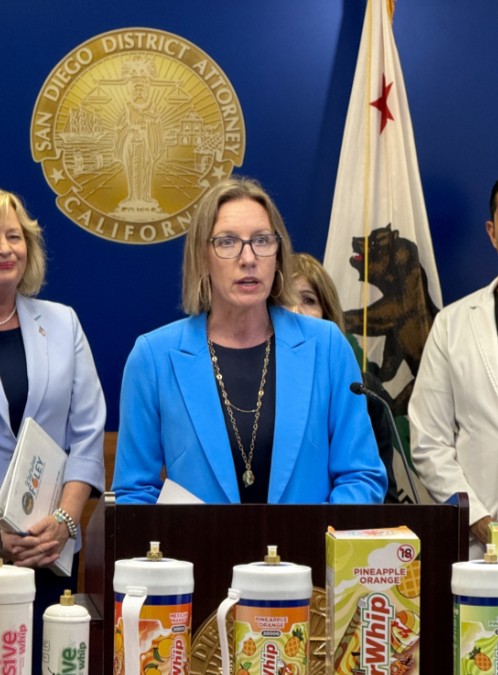
‘$32 billion in net benefits’
In a statement published on her website, she wrote: “A 2025 CalRecycle analysis indicated SB 54 could deliver $32 billion in net benefits and slash plastic waste by 1.9 billion pounds.
“The passing of the original legislation and the development of the regulations has been a long, methodical process, and it should not be slowed down or stopped as we approach implementation simply because some don’t want to comply.”
The senator warned that plastics are “poisoning our waterways and environment, filling our landfills and increasing the volume of garbage and what Californians pay to dispose of it”.
“It’s more important than ever to hold to the goals of SB 54 and follow through on meeting them,” Blakespear added.
“California should not undercut the law at the finish line to protect industry from the very responsibility SB 54 was designed to require. The choice is straightforward – either producers take responsibility for the waste they put into California or taxpayers and ratepayers continue picking up the tab.”
Statewide targets for 2032
Under California’s EPR programme, producers – led by the CAA – have until 2032 to meet statewide targets for 25 per cent less plastics, with nearly half of that achieved by eliminating plastics and shifting to reuse or refill systems.
They also have to achieve 100 per cent recyclable or compostable packaging and plastics foodservice-ware within the same timeline, with 65 per cent of plastics packaging and foodservice-ware actually recycled.
The legislation will regulate an estimated 5,741 producers, shifting the burden of rising waste costs and plastics pollution from consumers to producers, which will be required to pay $5bn over 10 years – $500 million per year beginning in 2027.
CalRecycle has published guidance for producers and others navigating the requirements of the new law.
Last month, an Oregon court began hearing the first major legal challenge to EPR laws for packaging in the US, with the outcome potentially affecting similar schemes across the country.
A five-day bench trial examining Oregon’s Plastic Pollution and Recycling Modernisation Act started on 13 July at the federal courthouse in Portland.
The case follows a lawsuit filed last year by the NAW, which argues that parts of Oregon’s EPR system are unconstitutional.
Oregon is under the microscope because it is among the most advanced of the seven US states that have introduced EPR laws for packaging.


